Staff-reported barrier
Finding e-Boks attachments
Staff described patients missing preparation attachments or having difficulty locating them in e-Boks.
Engineering & Innovation05 / 08
DTU · Innovation in Organizations / Collaborative university project
Making patient preparation easier to understand.
Healthcare Research & Information Redesign
A team project with the Endoscopy Department at Nordsjællands Hospital, investigating patient preparation and developing revised preparation documents.
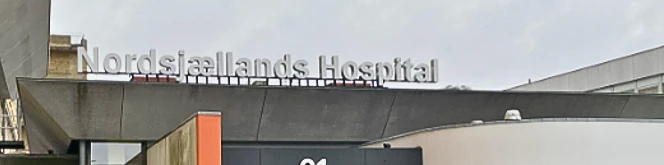
01 / The context
Clear preparation information connects the patient’s experience at home with the practical work of the department.
Our university team collaborated with the Endoscopy Department at Nordsjællands Hospital in Hillerød to understand challenges experienced by patients and healthcare staff.
We investigated daily operations, patient preparation and the organizational setting. The eventual design focus was the information patients received before endoscopic examinations.
02 / Field research
We combined department observations with conversations and interviews across the hospital setting.
The group divided research activities between team members. We gathered perspectives from patients, nurses, doctors, coordinators, secretaries and support staff, and reviewed written patient feedback.
Our analysis also considered organizational roles, routines and constraints. Qualitative coding helped organize recurring themes in the material.
Introduction to the fieldwork, expectations and the hospital setting.
Department observations and parallel conversations with staff and a patient.
Early-morning observations, a briefing and an informal conversation with a doctor.
Coordinator and patient interviews, administrative perspectives and written patient feedback.
Support-staff perspectives and a patient interview about preparation and document clarity.
The timeline summarizes the group’s fieldwork record. It does not imply that every team member conducted every activity.
03 / Identifying the problem
Research brought three connected problem areas into view: insufficient patient preparation, time pressure and limited physical space.
Patient preparation documents became an important design focus because they connected access to information, understanding and the practical requirements patients needed to follow.
Staff described patients arriving without having understood or completed preparation requirements.
Scheduling and resource constraints shaped daily work and the support staff could provide.
Field observations documented limited space for storage and movement within the department.
04 / User insights
Accessing the instructions was part of the preparation problem.
The evidence labels below distinguish staff reports, field observations and an early working hypothesis. The preliminary poster identified areas to investigate further.
Staff-reported barrier
Staff described patients missing preparation attachments or having difficulty locating them in e-Boks.
Staff-reported support need
Staff spent time answering questions and helping patients understand preparation requirements. This support was an existing departmental practice.
Early hypothesis
The team’s early notes proposed that lengthy instructions could make important information difficult to find. This was a working hypothesis, not a verified causal finding.
Field observations
Observations of a busy department and constrained physical space helped us understand the context in which patient information and staff support had to work.
05 / Document redesign
Together, we developed revised patient preparation documents.
The work was informed by feedback from patients who had already experienced the examination process, as well as nurses and doctors from the department.
Our aim was to make the preparation information easier to access, understand and follow.
Understand the everyday context.
Hear patient and staff perspectives.
Identify barriers and a design focus.
Develop revised preparation information.
Bring the work into updated documents.
The case describes the redesign at project level. Specific layout changes and document comparisons are not shown without the genuine materials and publication approval.
07 / Outcome & learning
The design output was revised patient preparation material, developed through collaboration and feedback.
For me, the project strengthened the connection between field research, stakeholder engagement, organizational understanding and information design.
Working within a healthcare setting gave me experience with listening across professional roles and developing a user-centered response to a practical communication problem.
Keep exploring / Technical communication